
Menu
Reflux disease

Omeprazole PGD.

Deliver a professional gastro-oesophageal reflux disease (GORD) service through Scripter's structured consultation pathway. Supply: Omeprazole 10 mg and 20 mg.
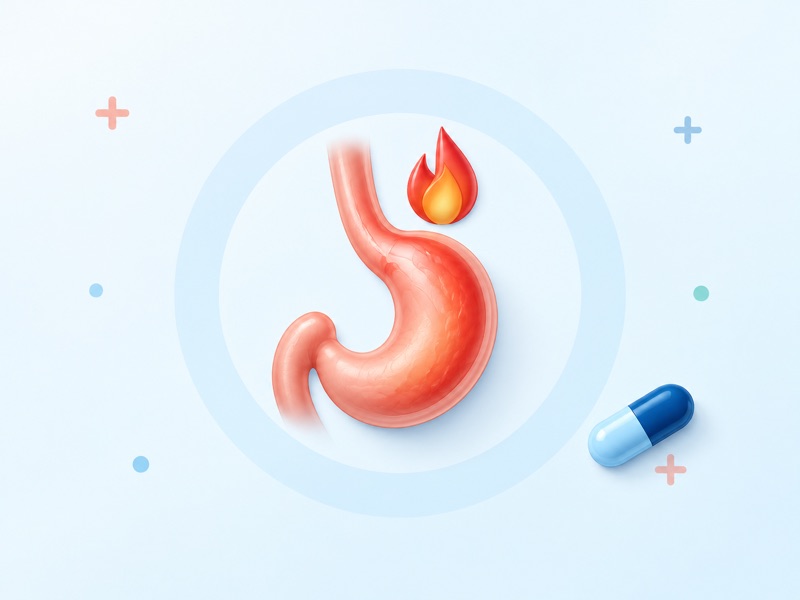
Illustration: Gastro-oesophageal reflux disease (GORD)

What is Omeprazole?

Omeprazole is a proton pump inhibitor (PPI), one of the most effective acid-suppressing medicines available. By switching off the stomach's acid pumps at their source, they let an inflamed oesophagus heal and keep heartburn and regurgitation controlled with a single daily dose. The consultation selects the strength that fits the presentation and the governing PGD's criteria.

The condition it treats

Gastro-oesophageal reflux disease is the backflow of stomach acid into the oesophagus, felt as heartburn, regurgitation and an acid taste, typically worse after meals, at night or on bending. Frequent reflux erodes the oesophageal lining and quality of life in equal measure. Just as important is what GORD is not: swallowing difficulty, weight loss, bleeding or persistent vomiting are alarm features of something else, which is why this pathway screens before it supplies.

How the service runs on Scripter

Patients book online, complete the pre-consultation questionnaire, and the guided pathway walks the practitioner through the gastro-oesophageal reflux disease (GORD) consultation with the screening and counselling steps built in. The supply decision, the record and any GP notification are produced in the same flow, documented against the exact protocol version in force.

Training and eligibility requirements.

Who can deliver this service, and who it can be delivered to. The governing PGD document defines the definitive inclusion, exclusion and supply criteria; the Scripter consultation pathway enforces them, and every consultation is documented against the protocol version it ran under.

Practitioner training
✓Registered healthcare professional from a profession authorised to supply under PGDs (Schedule 16, Part 4 of the Human Medicines Regulations 2012), such as a pharmacist, nurse, paramedic or physiotherapist, with current registration with their professional regulator
✓Practising from premises suitable for the service, such as registered pharmacy premises or a registered clinic
✓Assessed clinical competency for this service, declared and reviewed as part of PGD authorisation
✓Sign-off against the current version of this PGD in Scripter before first supply; sign-offs expire automatically when the protocol is updated, and the platform notifies everyone affected
✓In-date basic life support and safeguarding training
✓Indemnity arrangements covering the service
Patient eligibility
✓Adults with typical reflux symptoms (heartburn, regurgitation) meeting the governing PGD's criteria
✓Alarm features referred, not treated: difficulty or pain swallowing, unintentional weight loss, gastrointestinal bleeding or black stools, persistent vomiting, or an abdominal mass
✓Interacting medicines screened, notably clopidogrel (omeprazole reduces its effect) and other PPI-sensitive drugs
✓Pregnancy and breastfeeding managed per the governing PGD
✓Course length and review counselled: symptoms persisting beyond the defined course, or recurring on stopping, route to the GP rather than rolling repeat supplies

Omeprazole PGD questions

Which strength will be supplied?+

The consultation selects between omeprazole 10 mg and 20 mg based on the presentation, previous PPI response and the governing PGD's criteria, and records the rationale for the choice.

Why does the consultation ask about swallowing and weight?+

Because reflux symptoms can mask conditions that need investigation. Dysphagia, unintentional weight loss, bleeding or persistent vomiting are hard referral gates in the pathway; no supply is made over an alarm feature.

How long should a PPI course last?+

A defined course with a review point, per the governing PGD. If symptoms persist or return quickly after stopping, the right answer is GP review and possibly investigation, not indefinite repeat supply, and the record makes that history clear.

Is rebound heartburn after stopping normal?+

A short flare of acid symptoms after stopping a PPI is a recognised effect and usually settles within days; the counselling step covers it, along with stepping down gradually where appropriate.

Can a patient on clopidogrel use this service?+

Omeprazole can blunt clopidogrel's antiplatelet effect, so that combination is screened out and referred; the medication history in the pathway catches it before any supply.

More reflux disease PGDs.

Related protocols in the same category, all delivered through the same platform.

Run a gastro-oesophageal reflux disease (GORD) service without the paperwork.

See the consultation pathway, the sign-off tracking and the record it produces in a free 30-minute demo.

Book a demo Contact us
Built for pharmacists, by pharmacists.